

Sending a care package is one of the most meaningful ways to bridge the distance for a deployed service member, but navigating military mail regulations can feel overwhelming. Whether you are aiming to brighten their day with favorite snacks or essential supplies, knowing exactly how to send military care packages ensures your box arrives safely and on time. At MotherProud, we understand the emotional weight of wanting to support a loved one serving far from home, and we are here to simplify the process for you.
Quick Answer: How Do You Send a Military Care Package?
You can successfully ship a package to a service member by following these six essential steps: obtaining their correct APO/FPO/DPO address, confirming unit-specific restrictions, selecting non-perishable items, packing securely, completing the required customs declaration form, and shipping via USPS. By using Priority Mail through the United States Postal Service, which is usually the recommended carrier for APO/FPO/DPO military mail because it can deliver through the military postal system, while private carriers generally cannot deliver directly to these addresses.
What Is a Military Care Package?
A military care package is a curated box filled with comfort items, non-perishable snacks, hygiene products, and personal mementos designed to boost the morale of a service member. For many service members, these packages are less about the items themselves and more about feeling remembered, supported, and connected to home. While a deployed care package allows for a wide variety of items, it is important to distinguish it from packages sent during training. If your loved one is in basic training or boot camp, read our basic training care package rules first, because those restrictions are usually much stricter than deployment mail.
Before You Send Anything, Confirm These 3 Things
1. The Service Member’s Full Military Mailing Address
The foundation of a successful delivery is an accurate military address, which must include the service member's full legal name, rank, unit/PSC/box number, and the appropriate APO (Army/Air Post Office), FPO (Fleet Post Office), or DPO (Diplomatic Post Office) designation. Never include the name of the foreign country in the address, as this can cause the package to be routed through international commercial systems rather than the secure military mail network.
2. Current Unit and Location Restrictions
Deployment locations and operational tempos change rapidly, and some units may have specific mail holds or restrictions based on their current mission. Before you pack, ask your service member or their unit’s family readiness contact if there are any current prohibitions on specific items or package sizes. Some remote bases have limited storage or transportation capacity, making smaller, frequent packages more practical than one large, heavy box.
3. Whether This Is Deployment, Training, or a Permanent Duty Station
Understanding the recipient's status is crucial because the regulations for a deployed service member differ from those in a permanent duty station or at a training facility. While permanent duty stations often function like standard domestic shipping, deployments require strict adherence to customs declarations and specific military ZIP codes. Always verify if your loved one is currently in a transition phase, as shipping to a ""rear detachment"" or a temporary training site may require a different address format.
Step 1 – Choose the Right Items to Send
Best Practical Items for Military Care Packages

When considering military care package ideas, focus on items that provide utility and a touch of comfort. Popular options often include beef jerky, trail mix, granola bars, instant coffee, and drink mixes, as long as they are non-perishable and allowed by the destination or unit. For hygiene, focus on travel-sized toiletries, high-quality foot powder, unscented baby wipes, and lip balm. Remember that space is limited, so choose items that serve a clear purpose in their daily routine.
What Service Members Often Appreciate Most
Beyond the physical items, the most cherished part of any package is the personal touch. Handwritten letters, photos of family life, and small drawings from children provide an emotional boost that no store-bought gift can match. If you are looking for inspiration on how to make these boxes special, there are many military care package ideas that focus on themes, such as ""movie night"" or ""home-cooked flavors,"" to help your loved one feel connected to home.
Seasonal Care Package Ideas
Tailor your shipments to the time of year to provide comfort during the changing seasons. In the summer, avoid chocolate or items that melt; instead, pack hydration mixes and cooling towels. During winter months, consider warm socks, holiday notes, and approved cold-weather comfort items. Check current mailing rules before sending heat-producing products such as hand warmers.
One more thing to tuck in: A lot of the practical items above keep them comfortable — but a small keepsake reminds them who's thinking of them. Some MotherProud moms slip in a dog tag necklace or photo card before sealing the box.
Step 2 – Know What Not to Send in Military Care Packages

Commonly Restricted or Risky Items
Certain items are strictly prohibited due to safety regulations, customs laws, and the potential for damage during transit. Never send alcohol, tobacco, vaping products, flammable materials, or any weapon-like items. Also avoid aerosols or pressurized cans, which are commonly restricted because of air-transport safety rules.
Food Items to Be Careful With
While snacks are a staple, avoid anything that could perish or spoil, including homemade baked goods, which are risky for long or hot shipments. If you send them, choose dry, sturdy items, pack them airtight, and avoid anything with cream, frosting, soft filling, or ingredients that spoil quickly. Avoid items with strong odors that could permeate the entire box or attract pests. When in doubt, stick to sealed, commercial packaging that is clearly labeled with ingredients.
Battery and Electronics Warning
Be extremely cautious with electronics and batteries. Loose lithium batteries are generally prohibited from being shipped via air mail to military addresses. If you must send a battery-powered device, ensure the batteries are properly installed inside the device, and check the latest USPS regulations to ensure the specific item is permitted.
Step 3 – Pick the Right Box and Packing Supplies
USPS Military Care Kit and Flat Rate Boxes
USPS offers free military mailing supplies, often called a Military Care Kit, which can include Priority Mail boxes, labels, and customs form envelopes. With Priority Mail flat-rate boxes, you pay a fixed price as long as the package fits properly and stays within USPS weight limits.
How to Pack the Box So It Survives the Trip

Packing for a long journey requires extra care. Use bubble wrap, packing paper, or resealable bags to keep items from shifting. Avoid messy filler when possible, because the box may be inspected or opened in tight living spaces. Place heavier items at the bottom and put liquids or toiletries inside sealed plastic bags to prevent leakage. For a clean presentation, you can use clear bags to group items, but avoid elaborate gift wrapping that might hinder customs inspections.
Step 4 – Address the Military Care Package Correctly

APO Address Format Example
For an Army/Air Force Post Office address, follow this standard format:
SGT John Doe
PSC 1234, Box 5678
APO AE 09123
FPO Address Format Example
For a Fleet Post Office address, use this structure:
PO2 Jane Doe
USS Example, Unit 100000 Box 1
FPO AP 96601
What AE, AA, and AP Mean
These codes function as the ""state"" in a military address:
• AA (Armed Forces Americas): Used for locations in the Americas.
• AE (Armed Forces Europe, Middle East, Africa, Canada): Used for those regions.
• AP (Armed Forces Pacific): Used for Pacific-based locations.
Common Addressing Mistakes
Avoid the common pitfall of adding a foreign country name, which can divert the package to local postal services and lead to loss. Always use the service member's full legal name rather than a nickname to ensure the military mail center can verify their identity. Double-check the ZIP code, as this is the most critical component for routing the mail correctly through the military system.
Step 5—Fill Out the Customs Form
When Do Military Care Packages Need a Customs Form?
Most APO/FPO/DPO packages going overseas require a customs declaration form, but requirements can vary by destination and service type, so confirm the latest USPS guidance before shipping. The most efficient way to handle this is by using the USPS Click-N-Ship online service. This allows you to fill out the form from home, print the label, and even schedule a pickup, saving you time at the post office.
How to Describe Items Correctly
Be specific but concise when filling out the customs form. Instead of writing "food" or "gifts," list "granola bars," "cotton socks," or "paperback books." Accurate, clear descriptions help customs officials process your package quickly, reducing the risk of unnecessary delays or inspections.
Customs Form Mistakes That Can Delay a Package
Avoid vague terms like ""miscellaneous"" or ""personal items." "Ensure the value of the items is listed correctly and that the contents match the description on the label. Discrepancies between the form and the actual contents are a leading cause of packages being held or returned.
Step 6 – Ship the Package Through the Right Carrier
Why USPS Is Usually Best for APO/FPO/DPO Mail
USPS is the only carrier that maintains the infrastructure to deliver to military postal facilities. Private carriers like FedEx or UPS generally cannot deliver directly to an APO or FPO box and will often hand the package off to USPS anyway, often at a higher cost and with less reliability for military-specific logistics.
USPS vs UPS vs FedEx for Military Care Packages
| Carrier | APO/FPO/DPO Delivery | Best Use |
| USPS | Yes | Best choice for military mail |
| UPS | Generally no direct APO/FPO/DPO delivery | Domestic civilian addresses only |
| FedEx | Generally no direct APO/FPO/DPO delivery | Domestic civilian addresses only |
Should You Use Priority Mail?
Priority Mail is often a strong choice because it includes tracking and works well with USPS military mail, but delivery speed can still vary once the package enters military logistics. While it may cost more than standard ground services, the peace of mind and the standardized tracking information are invaluable when sending items to a deployed loved one.
How Much Does It Cost to Send a Military Care Package?
The cost depends on the size of the box, the weight, and the chosen shipping speed. USPS Priority Mail flat-rate boxes can help you control costs because the price is fixed for that box size, as long as the package meets USPS weight and packaging rules. Remember that while the boxes and supplies from the post office are free, you are still responsible for the postage costs.
📦 Not sure what this box will cost to ship?
Try the Shipping Cost Calculator →How Long Do Military Care Packages Take to Arrive?
Shipping times can vary significantly, usually ranging from one to four weeks. Factors such as the remoteness of the base, the current operational tempo, and holiday surges can all impact delivery speed. We recommend sending holiday packages at least six to eight weeks in advance to ensure they arrive in time for the festivities.
How Often Should You Send Military Care Packages?
A schedule of one package every four to six weeks is manageable for many families. If shipping costs are a concern, consider sending smaller, more frequent boxes or focusing on letters, which are lighter and cheaper to mail. Always communicate with your service member to see what they have the capacity to store, as space is often at a premium in deployed environments.
Can You Send Military Care Packages for Free?
While the postage itself is rarely free, you can minimize costs by using the free boxes provided by the USPS. There are also various non-profit organizations that send donated care packages to troops. To support troops you do not personally know, consider reputable military-support organizations such as the USO, Operation Gratitude, or Soldiers’ Angels, and always review their current donation guidelines.
Military Care Package Checklist

Address and Shipping Checklist
• Full legal name and rank.
• Correct unit/PSC/box number.
• Accurate APO/FPO/DPO designation.
• Correct AE/AA/AP region code.
• Correct military ZIP code.
• Return address included.
• Customs form completed and attached.
Item Checklist
• Non-perishable, energy-dense snacks.
• Travel-sized hygiene items.
• Comfort items like socks or hand warmers.
• Entertainment (books, games).
• Handwritten letters and photos.
Do-Not-Send Checklist
• Alcohol and tobacco products.
• Perishable food items.
• Aerosols and pressurized cans.
• Flammable or hazardous materials.
• Loose lithium batteries.
Meaningful Touches That Make the Package Feel Like Home
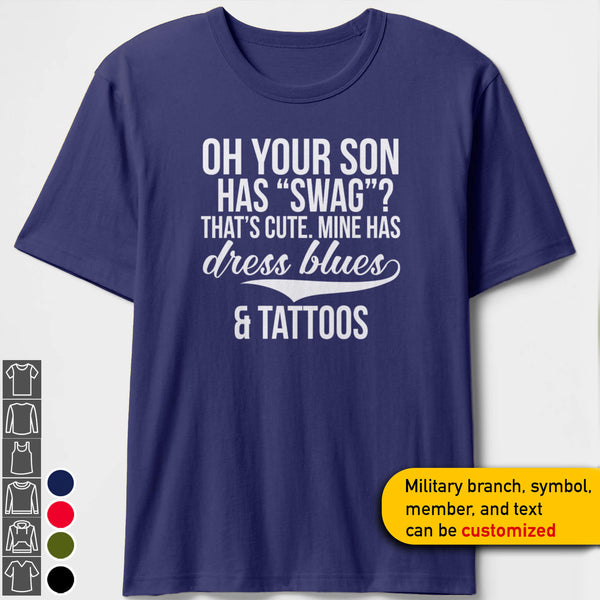
The most impactful part of a care package is often the emotional connection. Include a handwritten letter, a few family photos, or a small, meaningful souvenir that reminds them of home. Your care package supports the person serving, but the family at home also carries the weight of deployment. Many military moms and spouses like wearing support apparel as a small daily reminder of pride, strength, and connection. At MotherProud, we believe that expressing your pride as a military family is a powerful way to stay connected, no matter the miles between you.
While You're Packing Their Box, Don't Forget Yours
A small way to carry the same pride while you wait for them to come home.
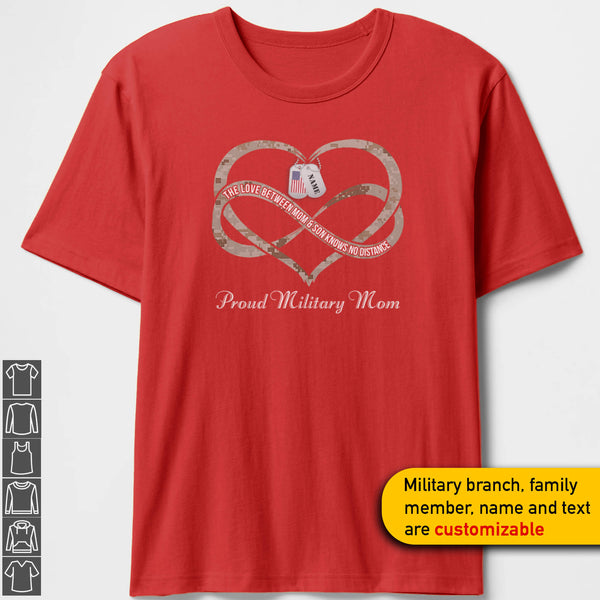
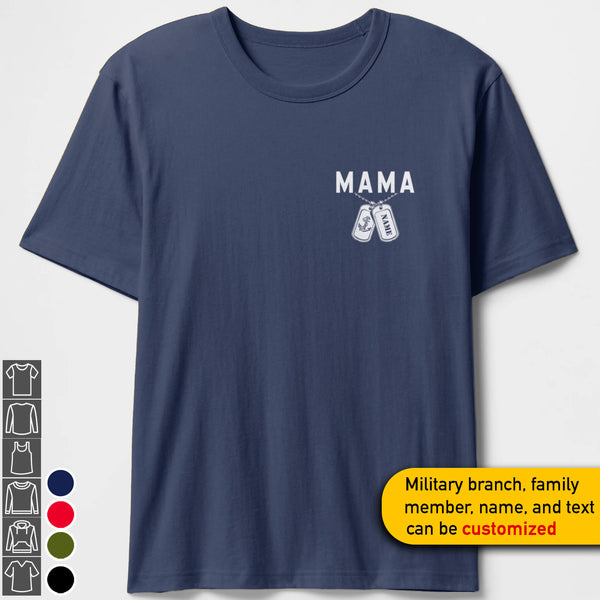
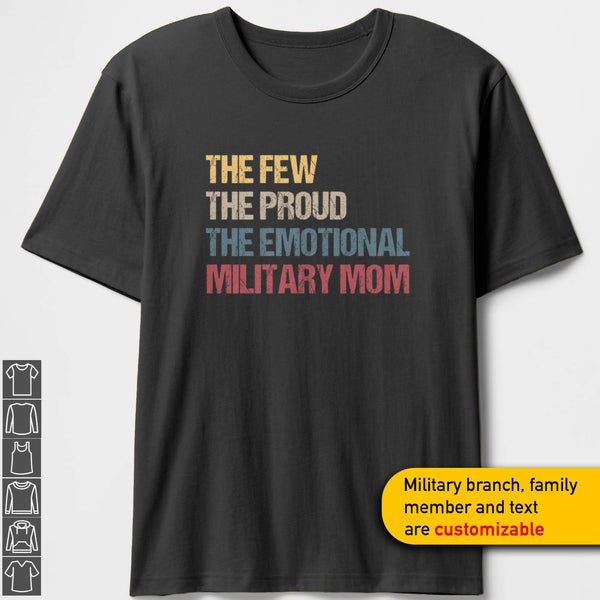
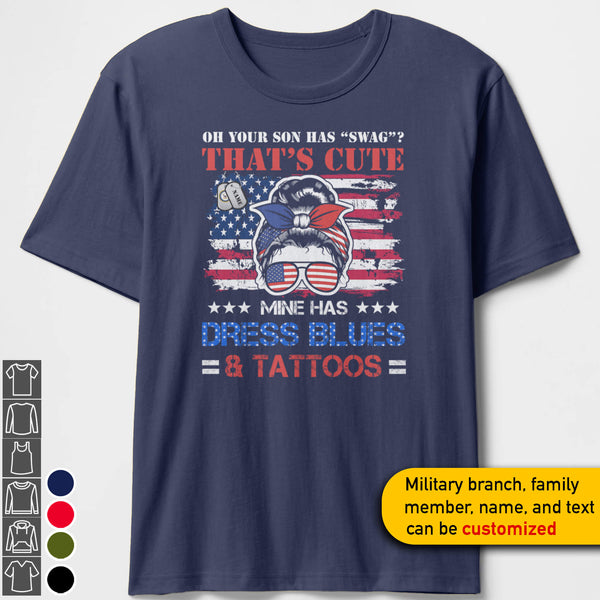

Support the Military Family at Home, Too
Package sealed, address confirmed — now take a moment for yourself. Deployment is heavy for the people waiting at home, too. If wearing your pride helps you feel connected while you wait, explore Military Mom Shirts or your branch's collection: Army Mom, Navy Mom, Marine Mom, Air Force Mom.
Final Thoughts
Shipping a care package is a beautiful act of love that provides a vital morale boost to those serving our country. By following these steps and keeping your service member’s needs at the center of your efforts, you can ensure your support arrives safely. Remember, the effort you put into every box is a testament to the bond you share.
Next, you may want to read our military care package ideas guide before you start shopping.
Frequently Asked Questions
How do I send a military care package overseas?
Use the USPS, address it to the APO/FPO/DPO address provided, and ensure you attach the required customs declaration form.
Do military care packages need customs forms?
Yes, most packages sent to overseas military addresses require a customs declaration form to clear security and international regulations.
Can I send food in a military care package?
Yes, as long as it is non-perishable, does not require refrigeration, and does not violate any specific host-country restrictions.
What is the cheapest way to send a military care package?
Using USPS Priority Mail Flat Rate boxes is generally the most cost-effective method, especially when shipping heavier items.
Can I send a care package to basic training?
Usually, you should not send a full care package to basic training unless the recruit or official guidance says it is allowed. Letters are the safest option in most cases.
What items are not allowed in military care packages?
Prohibited items include alcohol, tobacco, aerosols, flammable materials, and any items restricted by the host country or military unit.
How long does military mail take?
Delivery typically takes between one and four weeks, though this can vary based on the destination and current global logistics.
How should I address an APO/FPO package?
Use the service member's name, unit/box number, APO/FPO/DPO, the appropriate AE/AA/AP code, and the ZIP code; never include the host country name.